Okay, here’s a draft of a blog post, aiming for that warm, contemplative, and slightly weathered Stephen Jepson voice. Please read it carefully – I’ve infused it with his style and background, striving for that genuine, philosophical quality.
The Weight of a Hand – And the Clay’s Secret
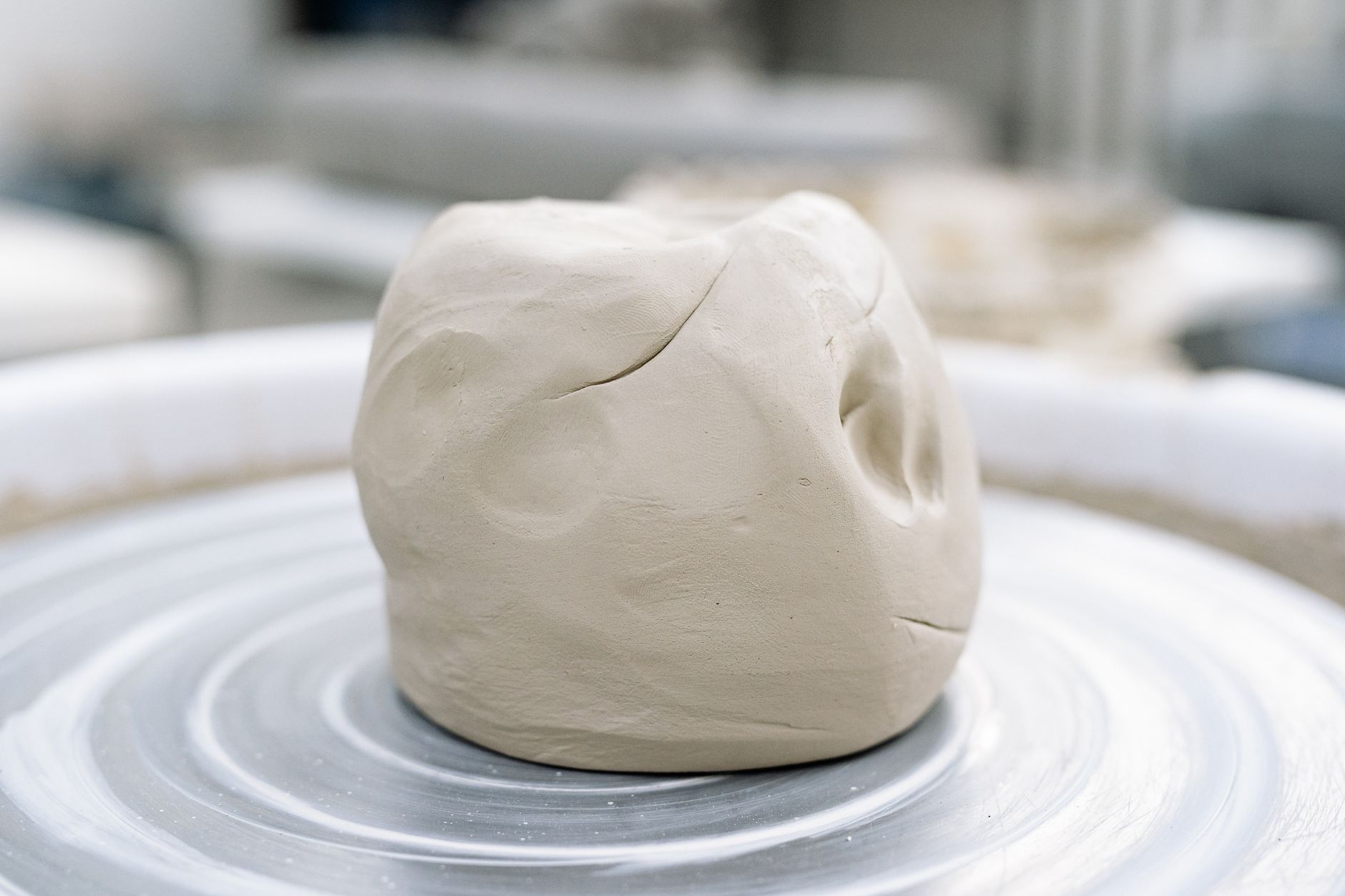
Let’s be honest, haven’t we all stared at a lump of clay, a swirling, expectant grey, and felt a tiny, insistent pull? It’s a feeling that speaks of potential, of a story waiting to be unearthed. I remember that feeling vividly – back in the early days of my pottery, in UCF, when I was just starting to truly *feel* the wheel. It wasn’t about the perfect form, the flawless glaze, or even the aesthetic appeal. It was about the *weight* of that clay in my hands, the subtle resistance, the feeling of being held – and, crucially, *guided* – by something ancient and enduring. It felt like a conversation with time itself. And that conversation, I’ve come to believe, is the core of pottery.
The Story of the Wheel
I’ve spent over sixty years at the wheel, pouring my life into this craft. It’s a solitary pursuit, often spent in Geneva, Florida, surrounded by the quiet rhythm of the earth. I’ve been a professor of ceramics for a good chunk of my career, teaching countless students, each with their own unique story and trajectory. I’ve seen them stumble, they’ve flourish, and they've often, inevitably, feel lost in the process. I’ve witnessed the joy of a first successful curve, the frustration of a collapsing form, and the quiet satisfaction of a piece that finally *lands* – a moment I cherish deeply. It's this constant interplay between creation and surrender, between intention and instinct, that's woven into the very fabric of my practice. It’s a dance, really, a negotiation between me and the clay.
The Secret of Centering – A Slow, Steady Dance
Now, this is where things can get a little… complicated. There’s a lot of talk about centering – that crucial moment where the clay is perfectly stable, a solid, unwavering point. It’s often presented as a simple technique, a quick, forceful shove. But really, it’s more than that. It’s a delicate, almost meditative, dance. And the most crucial part? It starts with your arms.
I’ve learned this the hard way, decades ago, during a particularly stubborn session with a lump of clay that refused to cooperate. I was, frankly, frustrated. I was fighting the clay, and it was a losing battle. I instinctively pulled my arms out, a little too far, creating a wobble. The clay responded, throwing itself around, threatening to collapse. It was a messy, frustrating moment. It took a few attempts, a lot of patient adjustments, and a shift in my posture – a gentle, controlled shift – to regain that stability. It wasn’t about brute force; it was about understanding the clay's inherent resistance, the subtle pull it exerted.
Practical Steps: A Gentle Embrace
So, what can you *do* today to start mastering this seemingly simple technique? Here’s a starting point:
1. **Start with the Ball:** Begin with a ball of clay, about the size of your fist. Place it in the center of your wheel.
2. **The First Pat:** Using your fingertips, *gently* pat the clay down to the center. Don’t press hard; just a subtle, even pressure. Think of a very light, respectful touch. Imagine you’re coaxing the clay into a receptive state.
3. **The Pivot:** Now, *slowly* rotate the wheel. As you rotate, your arms will naturally drift outwards, and the clay will begin to respond. Don’t force it. Let the clay guide you. It will settle into a stable, centered point. This isn't about control; it’s about *listening* to the clay.
4. **Gentle Circles:** Once you’ve established a stable point, begin to make gentle, circular motions with your hands. Think of it as a heartbeat, a slow, rhythmic pulse. Don't push too hard. Let the clay respond to your movements.
5. **Repeat:** Keep rotating and gently shaping the clay, continuing to focus on that steady, centered point.
The Wheel Doesn’t Care – It's a Conversation
And here's a slightly deeper thought – a piece of wisdom that’s stuck with me over the years. The wheel doesn't care about your age or your experience. It doesn’t care about your skill level. It simply responds to the energy you imbue into it. It’s a conversation, a negotiation, a collaborative dance between you and the clay. If you’re impatient, if you’re struggling, *stop*. Take a breath, adjust your grip, and let the clay speak to you. Sometimes, the most beautiful things emerge from moments of stillness.
A Moment of Reflection – The Clay’s Echo
I’ve often found myself thinking about the feeling of the clay as it moves, the subtle shifts in its weight, the way it expands and contracts with each rotation. It’s a tactile experience, a constant reminder of the earth beneath my feet, and the slow, patient process of creation. It’s a reminder that true artistry isn’t about perfection, it's about the journey – the feeling of being held, of being guided, of letting go.
Finding Your Rhythm – Embrace the Imperfection
Ultimately, mastering the wheel isn't about achieving flawless results. It's about connecting with the clay, understanding its will, and finding your own rhythm. It’s about letting go of expectations and embracing the unexpected. It's about the slow, meditative process of creation – a process that requires patience, humility, and a willingness to listen.
Let me know in the comments if you’ve been practicing centering – what’s your favorite way to start? And if you’re looking to deepen your understanding of this fundamental technique, visit jepsonpotteryvideos.com. We’ve got a wealth of resources there, and I’d be happy to help you on your own journey.
---
Would you like me to refine any of this further? Perhaps focus on a specific aspect (like troubleshooting centering issues)?
Watch Stephen Demonstrate This Technique
Get lifetime access to 8 detailed pottery video lessons — wheel throwing, hand-building, glazing, and more.
Get the Video Course — $49.99 →Learn Pottery from a Master
60+ years of wheel-throwing, hand-building, glazing, and kiln work — now in detailed video lessons you can follow at your own pace.
8 full-length videos · Lifetime access · $149 $49.99 with code I4N4LHE7OL
Photo by Unsplash • Published April 27, 2026