Jepson Pottery Blog
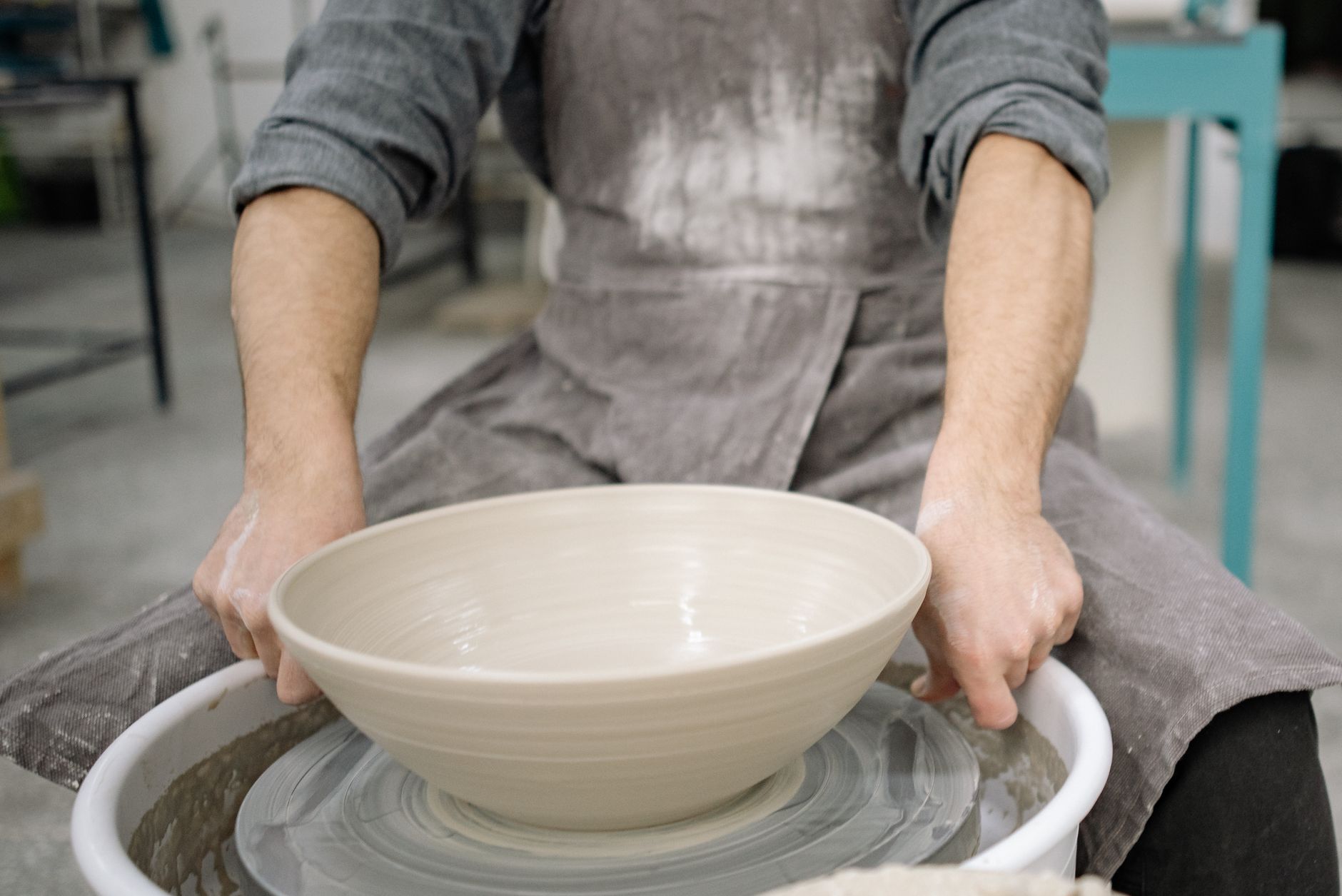
Mastering the Art of Cone 10 Firing: A Journey of Discovery and Experimentation
In all my years at the wheel, I have watched countless potters stare into the glowing peephole of a kiln, waiting for the moment when raw earth transforms into permanent stone. Students ask me all the time about the invisible forces at play inside that brick chamber, and how the choice between a cone 10 vs cone 6 atmosphere alters the very soul of a vessel. Let us look at the technical reality without getting bogged down in dry laboratory jargon. A cone 6 firing typically reaches around 2,232 degrees Fahrenheit, while cone 10 pushes up to roughly 2,345 degrees, but that small numerical jump represents an entirely different universe of ceramics.
When you decide to bring pottery home, you are inviting a wonderfully messy element into your daily life. Clay dust is real, and glaze materials demand respect, but you do not need an industrial warehouse to understand high-fire ceramics. The distinction between cone 6 and cone 10 firing temperatures is not just about temperature, but about the unique properties and challenges of each. When we speak of cone 10 firing, we are entering a realm where clay and glaze fuse into a true geological union.
Learn with Stephen — the full course, $49.99 lifetime
8 full-length video lessons, one-time price, 30-day money-back guarantee.
Get the Video Course →The Science and Chemistry Behind Cone 10 Firing
Cone 10 firing requires a deeper understanding of chemistry and materials science than lower temperature ranges. At these elevated thermal thresholds, stoneware bodies undergo vitrification, meaning the pores of the clay body close up tightly, rendering the ceramic piece completely watertight and immensely durable without relying solely on the glass layer of the glaze.
Clay has a way of teaching you patience, and high-fire reduction is perhaps the greatest teacher of all. In a gas-fueled cone 10 kiln, oxygen is deliberately starved from the environment, forcing the fire to pull oxygen molecules out of the clay bodies and glaze oxides. This chemical robbery creates the rich, earthy iron speckling, the toasted oranges on raw clay, and the deep copper reds that low-fire electric kilns simply cannot replicate. It is a volatile, beautiful dance of elements that demands respect and rewards experimentation.
Navigating the Cone Firing Chart for Pottery Ceramics
The cone firing chart for pottery kilns is a crucial tool for potters to navigate the complexities of firing temperatures. Pyrometric cones are not actually clocks measuring heat; they are precise composites of ceramic materials engineered to bend when they have absorbed a specific amount of heat work over time.
I learned this the hard way, decades ago, when I rushed a firing and trusted a digital read-out over the physical reality inside the kiln stack. Pyrometric cones measure both temperature and time, telling you how the heat actually affected your pots. When working with high temperatures, consulting your cone firing chart ensures that your glaze fluxes properly, your clay matures without slumping into a puddle, and your studio efforts result in functional art rather than expensive kiln shelf glue. Whether you are setting up a home pottery studio or firing in a community workspace, learning to read these indicators is an essential milestone.
Putting It All Together in Your Studio Practice
Bringing these high-fire concepts into your own workflow begins with selecting the right body of clay. Porcelain and heavy stoneware grog behave entirely differently when subjected to the intense heat of a cone 10 environment. If you are eager to refine your studio techniques, explore structured pottery video lessons that break down these complex thermal concepts into manageable, hands-on steps.
The wheel doesn't care about your age or your experience—it simply responds to the pressure of your hands and your willingness to observe the material. Take time to test small tiles, log your glaze recipes meticulously, and do not be discouraged by a warped rim or an under-fired glaze. Every successful master was once a beginner scraping failed pots off the bat.
To dive deeper into advanced techniques and master the craft from the comfort of your own workspace, explore the comprehensive $49.99 lifetime video course available at jepsonpotteryvideos.com.
Watch Stephen Demonstrate This Technique
Get lifetime access to 8 detailed pottery video lessons — wheel throwing, hand-building, glazing, and more.
Get the Video Course — $49.99 with code I4N4LHE7OL →Learn Pottery from a Master
60+ years of wheel-throwing, hand-building, glazing, and kiln work — now in detailed video lessons you can follow at your own pace.
8 full-length videos · Lifetime access · $149 $49.99 with code I4N4LHE7OL
Photo by Yan Krukau • Published October 20, 2026
Learn with Stephen — the full course, $49.99 lifetime
8 full-length video lessons, one-time price, 30-day money-back guarantee.
Get the Video Course →