Jepson Pottery Blog
How to Start Learning Pottery Online: A Beginner's Guide to Basic Techniques and Tools
I still remember my first pottery class, where I was tasked with creating a simple vase. My instructor, a wise and patient woman named Mary, would later tell me that the most important thing she taught me was not how to shape the clay but how to trust myself. In all my years at the wheel, one thing remains constant—pottery is not just about shaping clay; it’s an exploration of self-discovery.
The Art of Pottery as a Journey
Pottery is more than just creating beautiful objects—it's about tapping into the very essence of creativity itself. With every throw, every scrape and scratch, you’re not just shaping clay; you're expressing yourself in ways that words can't always capture. This journey isn’t linear or perfect but a meandering path filled with twists and turns.
Setting up your home studio and essential tools for online learning is the first step. Whether you're a beginner or simply someone looking to explore pottery, having the right setup makes all the difference. Let’s break down what you need and how to get started.
Essential Tools for Online Learning
To begin your journey in pottery, here are some basic tools that will help you create without feeling overwhelmed:
1. **Clay**: Start with a beginner-friendly clay like earthenware or bisque. Both are relatively easy to work with.
2. **Pottery Wheel**: While not essential, having access to one can speed up your learning process. If you don’t have a wheel at home, many online classes offer virtual lessons that cover basic techniques.
3. **Kiln**: For firing your work, especially if you’re using bisque clay. You can rent or borrow one from friends or local pottery studios.
4. **Basic Tools**:
- **Cutting工具**:用于切割泥块。
- **Sponges**:用来清理手和工具上的多余水分。
- **Slab roller**(平板机):帮助制作平板形状的泥坯。
- **Ribs and needles**(刮刀和针):用于塑形和细节处理。
5. **Water Bucket**: To keep your workspace damp, which is crucial for working with clay.
Basic Techniques for Hand-Building and Wheel-Throwing
#### Hand-Building
Hand-building involves creating pottery without a wheel. It’s a versatile technique that allows you to express yourself in unique ways. Start by making slabs of clay using the slab roller or your hands, then cut them into desired shapes. Use ribs and needles to create textures and add details.
#### Wheel-Throwing
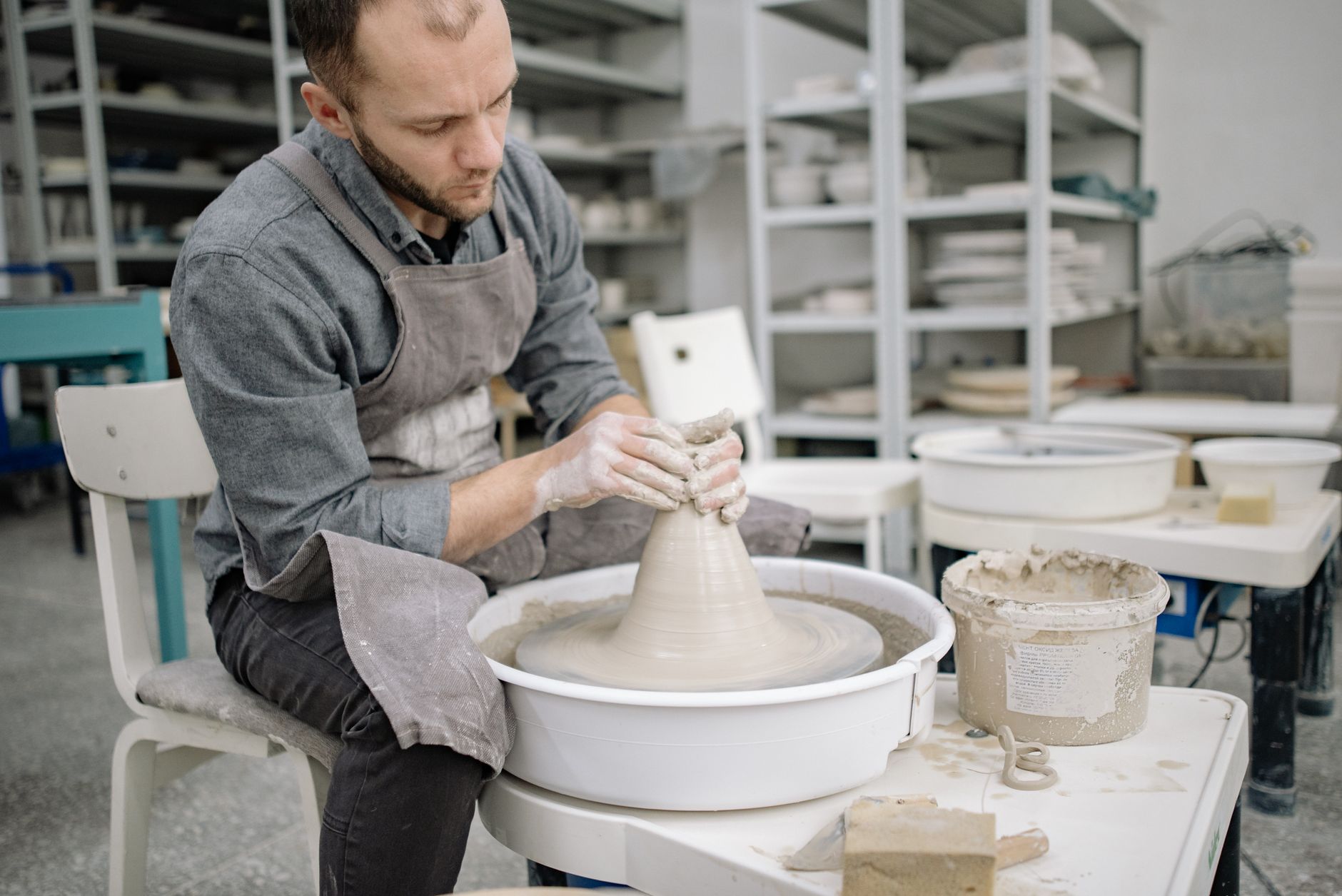
Wheel-throwing is about shaping clay on a spinning potter’s wheel. It requires practice but can be incredibly rewarding once you get the hang of it. Focus on centering the clay (making sure it sits evenly) and then gently squeezing and pulling it to shape.
Tips for Overcoming Common Challenges in Online Pottery Classes
1. **Patience**: Learning pottery is a process, and perfection comes with practice. Don’t be hard on yourself if your first attempts aren’t perfect.
2. **Consistency**: Set aside regular time each week to practice. Even small amounts of consistent effort are more beneficial than sporadic intensive sessions.
3. **Ask Questions**: Engage with your instructor and fellow students. They can provide valuable insights and encouragement.
The Orton Cone Chart—Understanding Kiln Temperatures
One crucial aspect of pottery is understanding kiln temperatures, which brings us to the Orton Cone Chart. Cones are used to measure heatwork in a kiln firing, providing a scientific way to ensure your work reaches the right temperature. A cone should be calcined (heated) to about 850°F (455°C) in an air atmosphere.
Practical Steps: Getting Started Today
1. **Sign Up for Online Classes**: Many platforms offer beginner-friendly classes that cater to both beginners and experienced potters.
2. **Practice Regularly**: Even if it’s just a few minutes each day, regular practice will help you improve faster.
3. **Join Local Pottery Groups**: Engage with local communities or online forums where you can share your work and get feedback.
In all my years at the wheel, I’ve learned that pottery is about much more than just creating beautiful objects—it’s a journey of self-discovery and creative expression. Whether you’re starting out or looking to refine your skills, remember that every piece tells a story—yours.
Might I suggest visiting [jepsonpotteryvideos.com](http://jepsonpotteryvideos.com) for more guidance and inspiration?
Watch Stephen Demonstrate This Technique
Get lifetime access to 8 detailed pottery video lessons — wheel throwing, hand-building, glazing, and more.
Get the Video Course — $49.99 with code I4N4LHE7OL →Learn Pottery from a Master
60+ years of wheel-throwing, hand-building, glazing, and kiln work — now in detailed video lessons you can follow at your own pace.
8 full-length videos · Lifetime access · $149 $49.99 with code I4N4LHE7OL
Photo by Yan Krukau • Published June 20, 2026