Jepson Pottery Blog
Introduction to the Gentle Art of Learning
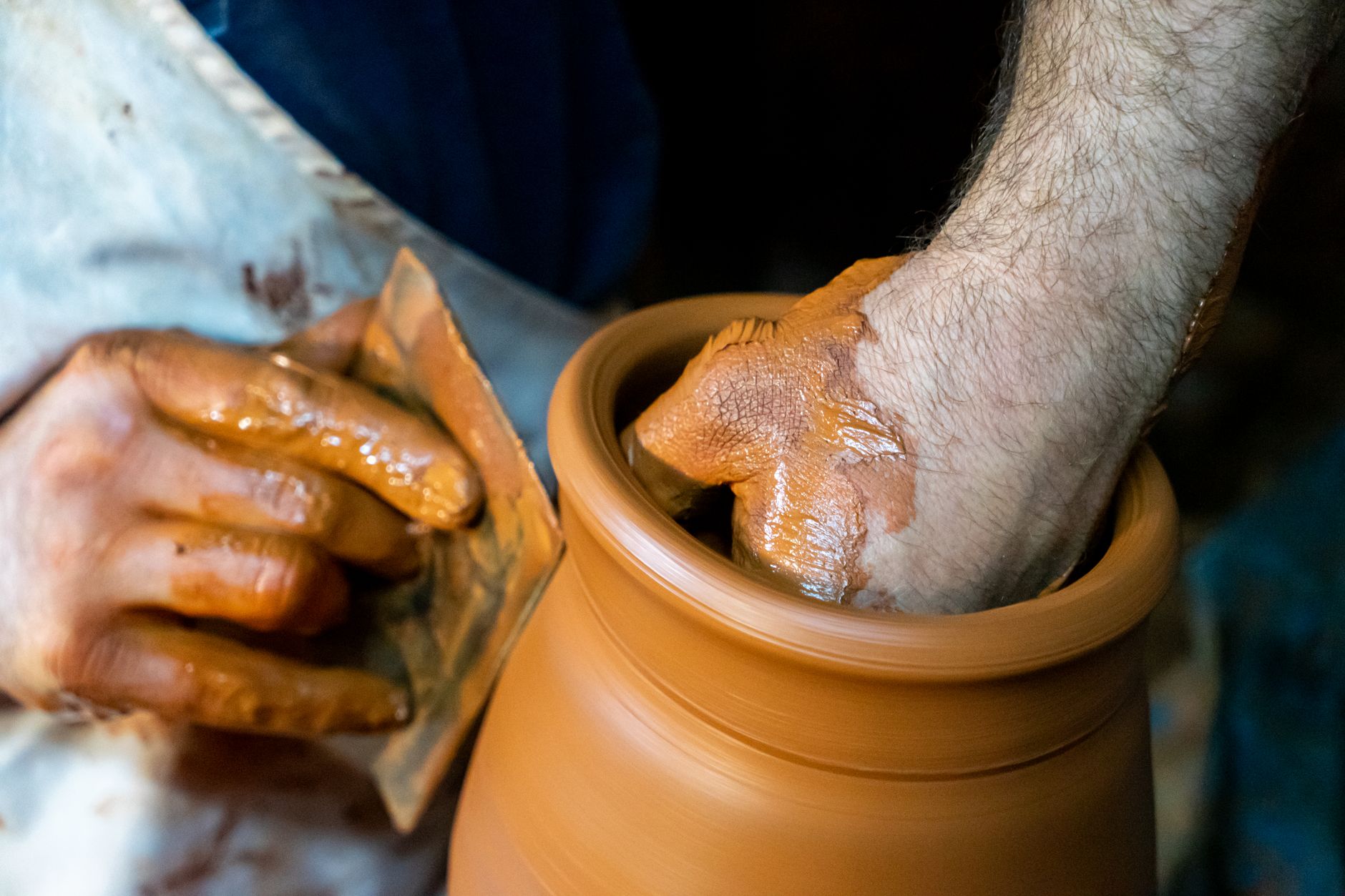
Pottery wheel throwing is not just about creating functional ceramics – it's about tapping into a deep well of creativity, discipline, and self-expression. It's a journey that will challenge you, push you to your limits, and ultimately transform you. As I sit here, surrounded by the familiar sights and sounds of my studio, I am reminded of the countless students I've had the privilege of teaching over the years. Each one, no matter their age or experience, has brought a unique energy to the wheel, and I've watched them grow, struggle, and ultimately find their own rhythm. In all my years at the wheel, I've come to realize that the journey of learning pottery is just as important as the destination.
As I reflect on my own journey, I am reminded of the early days, when I first discovered the joy of working with clay. The feel of the cool, damp earth between my fingers, the sound of the wheel humming in the background, and the smell of the kiln firing in the distance – it was like a symphony of sensations that drew me in and never let go. Clay has a way of teaching you patience, persistence, and creativity, and I've been fortunate enough to have had a lifetime of lessons. Students ask me all the time, "How do I get started with pottery?" or "What's the best way to learn?" And my answer is always the same: start with the basics, be gentle with yourself, and let the clay guide you.
Preparing for Success: Setting Up Your Workspace
Before you can begin to learn the art of pottery wheel throwing, you need to set up a safe and comfortable workspace. This is essential, as it will allow you to focus on the process of creating, rather than worrying about your surroundings. I learned this the hard way, decades ago, when I first started teaching pottery classes. I had a student who was so eager to get started that she didn't take the time to set up her workspace properly, and as a result, she ended up with a nasty injury. The wheel doesn't care about your age or your experience – it will throw you off if you're not prepared. So, take the time to set up your workspace correctly, with a sturdy wheel, a comfortable seating arrangement, and plenty of room to move around.
As you set up your workspace, remember that the goal is to create a comfortable and safe environment that allows you to focus on the process of creating. This means paying attention to the ergonomics of your workspace, making sure that your wheel is at the right height, and that you have plenty of room to move your arms and legs. It's also important to consider the safety aspects of your workspace, such as having a fire extinguisher nearby and making sure that your kiln is properly ventilated. By taking the time to set up your workspace correctly, you'll be able to focus on the process of creating, and enjoy the journey of learning pottery.
Building a Strong Foundation: Basic Hand-Building Techniques
Once you have your workspace set up, it's time to start building a strong foundation in the basics of pottery. This means learning basic hand-building techniques, such as coiling, pinching, and slab construction. These techniques will not only help you to create functional pieces, but they will also give you a deeper understanding of the properties of clay and how to work with it. I've found that students who start with hand-building techniques tend to have an easier time when they transition to the wheel, as they've developed a sense of touch and a understanding of how to manipulate the clay.
As you work on building your foundation, remember that the key is to be patient and gentle with yourself. Don't be afraid to make mistakes – they're an essential part of the learning process. Instead, focus on developing a sense of curiosity and wonder, and let the clay guide you as you explore its possibilities. You can start by watching online tutorials, such as those found on YouTube or pottery websites, or by taking a class with a experienced instructor. There are also many online resources available, such as pottery video lessons, that can provide you with a comprehensive introduction to the basics of pottery.
Mastering the Wheel: Tips for Developing a Consistent Throwing Rhythm
Once you have a strong foundation in the basics of pottery, it's time to start working on the wheel. This can be a daunting task, especially for beginners, but with patience and practice, you can develop a consistent throwing rhythm that will allow you to create beautiful, functional pieces. The key is to start slow, with small, simple projects, and gradually work your way up to more complex pieces. I've found that students who start with small projects tend to have more success, as they're able to build their skills and confidence gradually.
As you work on developing your throwing rhythm, remember to focus on the process, rather than the end result. The wheel is a tool, and it will only respond to your touch and your intention. So, take the time to develop a sense of connection with the wheel, and let it guide you as you create. You can also try watching online tutorials, or taking a class with an experienced instructor, to help you develop your skills. And don't forget to practice regularly – the more you throw, the more consistent your rhythm will become.
Putting it all Together: Practical Steps for Beginners
So, what can you do today to start your journey in pottery? Here are a few practical steps you can take:
* Set up your workspace, making sure it's safe and comfortable
* Start with basic hand-building techniques, such as coiling or pinching
* Practice throwing on the wheel, starting with small, simple projects
* Watch online tutorials, or take a class with an experienced instructor
* Join a pottery community, either online or in-person, to connect with other potters and learn from their experiences
Remember, the journey of learning pottery is just as important as the destination. Don't be afraid to make mistakes, and don't get discouraged if you don't see immediate results. With patience, persistence, and practice, you can develop the skills and confidence you need to create beautiful, functional pieces.
The Journey Ahead
In conclusion, learning pottery is a journey, not a destination. It's a process of discovery, of experimentation, and of growth. As you start your journey, remember to be patient, gentle, and kind to yourself. Don't be afraid to make mistakes, and don't get discouraged if you don't see immediate results. With time, practice, and patience, you can develop the skills and confidence you need to create beautiful, functional pieces. Clay has a way of teaching you, if you're willing to listen. So, take a deep breath, get your hands dirty, and let the journey begin. And if you're looking for guidance and support along the way, be sure to visit jepsonpotteryvideos.com, where you'll find a wealth of resources, including video lessons, tutorials, and tips from an experienced potter. As I always say, "The wheel doesn't care about your age or your experience – it will throw you off if you're not prepared." But with the right mindset, the right skills, and the right support, you can master the art of pottery and create something truly beautiful.
Watch Stephen Demonstrate This Technique
Get lifetime access to 8 detailed pottery video lessons — wheel throwing, hand-building, glazing, and more.
Get the Video Course — $49.99 →Learn Pottery from a Master
60+ years of wheel-throwing, hand-building, glazing, and kiln work — now in detailed video lessons you can follow at your own pace.
8 full-length videos · Lifetime access · $149 $49.99 with code I4N4LHE7OL
Photo by Deniz ŞENGÜL • Published June 02, 2026